
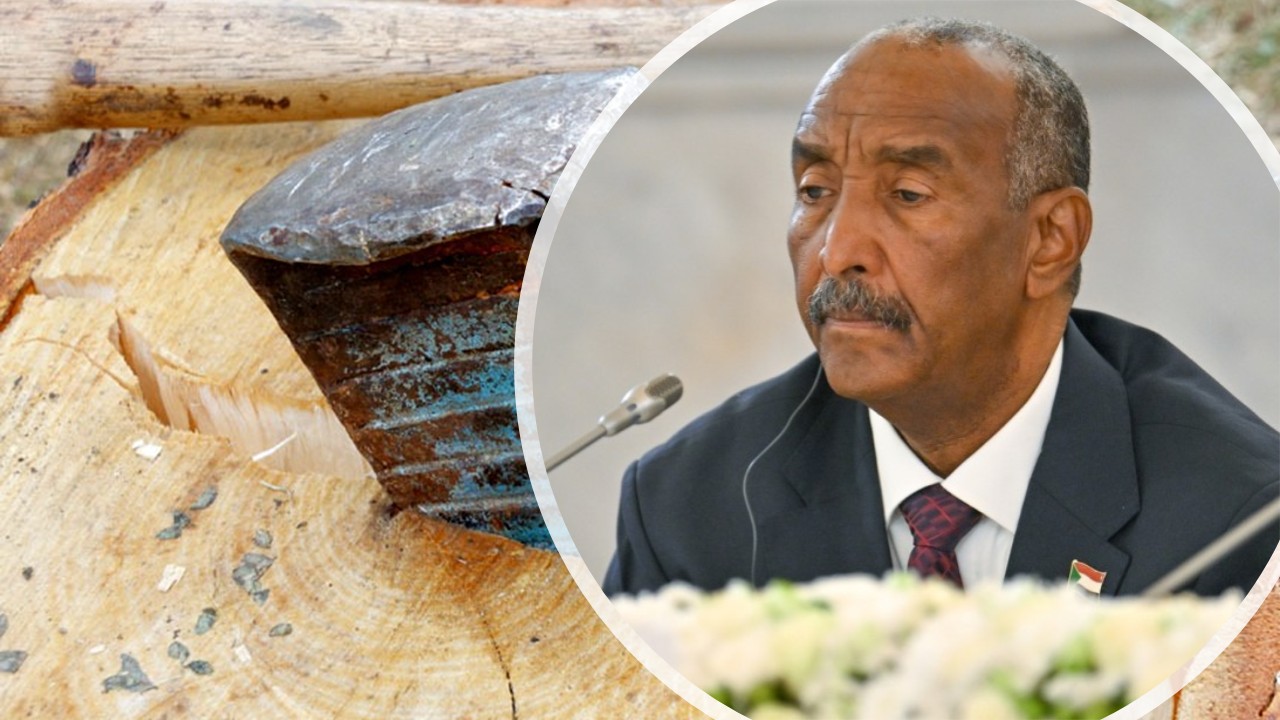
ጠቅላይ ሚኒስትር ዐቢይ አሕመድ ሁሉም የሱዳን ተፋላሚ ኃይሎችና የፖለቲካ አካላት ለሰላም ንግግር ወደ አዲስ አበባ እንዲመጡ ያቀረቡት ግልጽ ደብዳቤ፣ በሱዳን አስከፊ ጦርነት ዙሪያ ያለውን ዲፕሎማሲያዊ ምኅዳር በአዲስ መልክ አነቃቅቶታል። ጠቅላይ ሚኒስትሩ ቀጥታ ለሱዳን ሕዝብ ጥሪ ማቅረባቸው በጄኔራል አብዱልፈታህ አልቡርሃን ወታደራዊ መንግሥት ላይ ዲፕሎማሲያዊ ሽብልቅ ሆኖ አጣብቂኝ ውስጥ እንደከተታቸው እየተነገረ ነው።
በዓረብኛ ቋንቋ ተጽፎ ለሱዳን ሕዝብ የቀረበው ይህ ደብዳቤ፣ የሁለቱን ሕዝብ የቆየ ታሪካዊ ትሥሥር እንዲሁም “ለአፍሪካ ችግሮች አፍሪካዊ መፍትሔ” የሚለውን መርህ አጉልቶ አሳይቷል። እዚህ ላይ ትልቁ ነጥብ ጠቅላይ ሚኒስትር ዐቢይ ራሳቸውን የንግግሩ አሸማጋይ አድርገው አለማቅረባቸው ነው። ይልቁንም የኢትዮጵያ መዲና የሆነችውን አዲስ አበባን እንደ ገለልተኛ የመወያያ መድረክ አድርገው አቅርበዋል።
አዲስ አበባ የአፍሪካ ኅብረት መቀመጫና የበርካታ ዓለም አቀፍ ተቋማት ማዕከል እንደመሆኗ፣ ተፋላሚ ጄኔራሎችን፣ ሲቪል ፖለቲከኞችንና የማኅበረሰብ ተወካዮችን በአንድ ጣራ ሥር ለማሰባሰብ የሚያስችል የተሟላ ዲፕሎማሲያዊ አቅም አላት።
ከሱዳን ወገን የተሰጠው ምላሽ ፈጣንና ብዙ ነገር የሚናገር ነበር። የሰላም ደብዳቤውን ያልተጻፈ ሐሳብ ከጅምሩ ግብ እንደመታ በሚገልጽ መልኩ በፖርት ሱዳን የመሸገው የጄኔራል አልቡርሃን አስተዳደር ግብዣውን በችኮላ ገፍቶታል፤ ውድቅ አድርጎታል። በአንጻሩ ግን በቀድሞው ጠቅላይ ሚኒስትር አብደላ ሃምዶክ የሚመራው የሲቪል ጥምረት “ሶሙድ”ን ጨምሮ ዋና ዋና የሲቪል አመራሮች፣ ጥሪውን ደም መፋሰሱን ለማስቆም የተገኘ እውነተኛ ዕድል ነው ሲሉ በደስታ ተቀብለውታል።
ሃምዶክና የሚመሩት የሶሙድ ጥምረት በምዕራባውያን ሀገራት ዘንድ ከፍተኛ ተደማጭነትና ተጽዕኖ ያላቸው በመሆኑ፣ ዲፕሎማሲያዊ ሐሳቦችን ወደ ተጨባጭ ተግባር የመቀየር ትልቅ አቅም አላቸው። በተመሳሳይ መልኩ ከፈጥኖ ደራሽ ሰጪ ኃይሎች (RSF) ጋር ግንኙነት ያላቸው ተወካዮችም በመድረኩ ለመሳተፍ ዝግጁ መሆናቸውን ገልጸዋል።
ይህ በሱዳን ወገኖች መካከል የተፈጠረው የአቋም ልዩነት የጠቅላይ ሚኒስትር ዐቢይን እርምጃ ብልሃት ቁልጭ አድርጎ ያሳያል። ባለፉት ወራት የፖርት ሱዳን አስተዳደር በጄኔቫ የተደረጉትን ጨምሮ በዋና ዋና የተኩስ አቁም ድርድሮች ላይ ላለመገኘት ያሳየው ግትርነት፣ ምዕራባውያን መንግሥታትን፣ የተባበሩት መንግሥታት ድርጅትንና የአፍሪካ ኅብረትን ክፉኛ አስቆጥቷል። ረሃብ እየተስፋፋና ከተሞች እየወደሙ ባሉበት በዚህ ወቅት፣ የአፍሪካ የዲፕሎማሲ መዲና በሆነችው አዲስ አበባ ንግግር እንዲደረግ የቀረበውን የጎረቤት ሀገር መሪ ጥሪ መግፋት፣ አልቡርሃን ጦርነቱ እንዲቆም አይፈልጉም ብሎ ዓለም አቀፉ ማኅበረሰብ እንዲያምን ያደርጋል የሚለው ካሁኑ እየተወራ ያለ ጉዳይ ሆኗል።
ለኢትዮጵያም ቢሆን ይህንን የሰላም እርምጃ መውሰድ ወቅታዊና አንገብጋቢ ጉዳይ ነው። ጦርነቱ በኢትዮጵያ ምዕራባዊ ድንበርና ወሳኝ ሀገራዊ መሠረተ ልማቶች አቅራቢያ ወደምትገኘው የሱዳን ብሉ ናይል ግዛት እየተጠጋ ከመምጣቱ አንጻር ለኢትዮጵያ ያለው ጠቀሜታ የጎላ ነው።
ባለፉት ወራት የዲፕሎማቶች መባረርና ከፖርት ሱዳን በኩል የሚሰነዘሩ ከባድ ውንጀላዎች ቢኖሩም፣ ጠቅላይ ሚኒስትር ዐቢይ ውጥረቱ እንዲባባስ ከመተው ይልቅ የሰላም እጃቸውን ዘርግተዋል። በዚህም ኢትዮጵያ ለቀጠናው ሰላም ያላትን ታሪካዊ ሚና ዳግም አረጋግጠዋል። አዲስ አበባ እ.ኤ.አ. በ2019 የሱዳንን የሥልጣን ክፍፍል ስምምነት በስኬት ማስተናገዷ የሚታወስ ሲሆን፣ ጠቅላይ ሚኒስትሩ አሁንም ከተማዋ ያንን ታሪክ ትደግመዋለች የሚል እምነት አላቸው።
ሁሉንም ወገኖች ወደ አንድ የድርድር ጠረጴዛ ማምጣት ቀላል አይሆንም። በሱዳን ጦር ቁጥጥር ሥር ባሉ አካባቢዎች፣ ላለፉት ወራት ሲነዙ በቆዩ መራራ ቅስቀሳዎችና የድንበር ጣልቃ ገብነት ክሶች ምክንያት በኢትዮጵያ ላይ ያለው ጥርጣሬ አሁንም ከፍተኛ ነው። በሌላ በኩል ምዕራባውያን ዲፕሎማቶችና ቀጠናዊ ተቋማት ትኩረታቸውን በተባበሩት መንግሥታት፣ በአፍሪካ ኅብረትና በጎረቤት ሀገራት በተጀመሩት ነባር የሽምግልና መድረኮች ላይ አድርገዋል።
ያም ሆኖ ጠቅላይ ሚኒስትር ዐቢይ በአፍሪካ ቀንድ ያለውን የዲፕሎማሲ አጀንዳ ቀይረውታል። ዓለም አቀፍና ቀጠናዊ አሸማጋዮች ሥራቸውን የሚያከናውኑበትን የአዲስ አበባን በር ክፍት በማድረግ፣ የሱዳን ቀውስ በመሣሪያ እንደማይፈታና ለንግግር ጀርባቸውን የሚሰጡ አካላት ለብቻቸው ተነጥለው እንደሚቀሩ ለቀጠናውና ለመላው ዓለም ግልጽ መልዕክት አስተላልፈዋል።
በተለይ የአልቡርሃን ወታደራዊ አገዛዝ የትህነግ ገዳይ ቅጥረኞች ወታደራዊ ሥልጠና እንዲያደርጉ፤ በሱዳን በኩል ሆነው ኢትዮጵያን እንዲወጉ፤ በሱዳን በኩል ለትህነግ፣ ለፋኖ እና ለሽኔ ታጣቂዎች የተለያዩ የጦር መሣሪያዎች (ድሮንንም ጨምሮ) ወደ ኢትዮጵያ እንዲገቡ በማድረጉ በማስረጃ የተረጋገጠ ሆኖ ሳለ ከኢትዮጵያ በኩል እንዲህ ዓይነት የሰላም ጥሪ መቅረቡ ግብፅ ያሳሰበ፣ ሻዕቢያን ያስጨነቀ፣ አልቡርሃንን ደግሞ በዲፕሎማቲክ ሽብልቅ አጣብቂኝ ውስጥ የከተተ ሆኗል።
ጎልጉል የድረገጽ ጋዜጣ
Abiy’s Peace Offer Becomes a Diplomatic Wedge That Puts al Burhan in a Tight Spot
An open letter from Ethiopian Prime Minister Abiy Ahmed inviting all Sudanese factions to Addis Ababa for peace talks has shaken up the diplomatic landscape around Sudan’s brutal war. By appealing directly to ordinary Sudanese citizens, Abiy has placed General Abdel Fattah al Burhan’s military government in an uncomfortable spotlight.
Written in Arabic and addressed to the Sudanese people, the letter leans heavily on shared history and the promise of African solutions to African problems. Importantly, Abiy is not positioning himself as the mediator who will run the talks. Instead, he is offering Ethiopia’s capital as a neutral host venue.
As the seat of the African Union and a major hub for international organizations, Addis Ababa already houses the diplomatic infrastructure needed to bring warring generals, civilian politicians, and grassroots groups into the same room.
The reaction inside Sudan was swift and telling. General al Burhan’s administration in Port Sudan quickly brushed the invitation aside. Yet major civilian figures, including former Prime Minister Abdalla Hamdok’s Somoud coalition, welcomed the outreach as a genuine chance to stop the bloodshed.
Hamdok and the Somoud coalition carry immense leverage and are closely heard across Western capitals, giving them real influence to help turn diplomatic proposals into concrete action. Meanwhile, representatives tied to the paramilitary Rapid Support Forces also expressed willingness to attend.
That split highlights the cleverness of Abiy’s move. For months, Western governments, the United Nations, and the African Union have grown increasingly impatient with Port Sudan’s refusal to show up at major ceasefire negotiations, including previous talks in Geneva. As famine spreads and cities crumble, turning down a neighboring leader’s offer to host talks under the roof of Africa’s diplomatic capital makes it harder for al Burhan to convince international partners that he actually wants the war to end.
For Ethiopia, stepping forward carries clear urgency. Fighting has crept steadily toward Sudan’s Blue Nile State, right along Ethiopia’s western border and close to vital national infrastructure.
Rather than letting tensions boil over after months of diplomatic expulsions and sharp accusations from Port Sudan, Abiy chose to extend an olive branch and reassert Ethiopia’s traditional role as a welcoming ground for regional peace. Addis Ababa successfully hosted Sudan’s power sharing talks in 2019, and the prime minister is betting that the city can serve that role once again.
Getting everyone to the table will not be easy. Inside areas controlled by the Sudanese army, deep suspicion of Ethiopia remains widespread, fueled by months of bitter rhetoric and claims about cross border interference. Meanwhile, Western diplomats and regional blocs are still focusing their energy on existing mediation tracks led by the UN, the African Union, and neighboring states.
Even so, Abiy Ahmed has changed the conversation in the Horn of Africa. By putting Addis Ababa forward as an open door for international and regional mediators to do their work, he has reminded the region and the world that Sudan’s crisis cannot be solved with weapons, and that those who refuse to talk risk standing alone.
This outreach is particularly striking given the documented evidence showing that al Burhan’s military regime has allowed TPLF mercenary fighters to undergo military training and launch attacks against Ethiopia from Sudanese territory, while also facilitating the smuggling of weapons, including drones, into Ethiopia for TPLF, Fano, and Shene militants. That Ethiopia still chose to extend such a peace offer under these circumstances has driven a sharp diplomatic wedge that leaves al Burhan backed into an even tighter corner.
Golgul Online Newspaper
Leave a Reply